

Real Quick:
Derby's finances are improving, but there are still several long-standing audit issues
DERBY – Officials said the city is in better financial condition than in the past but there are still issues with Derby’s financial practices.
“We’re chipping away but there is still work to be done, to be sure,” said Derby Finance Director Brian Hall.
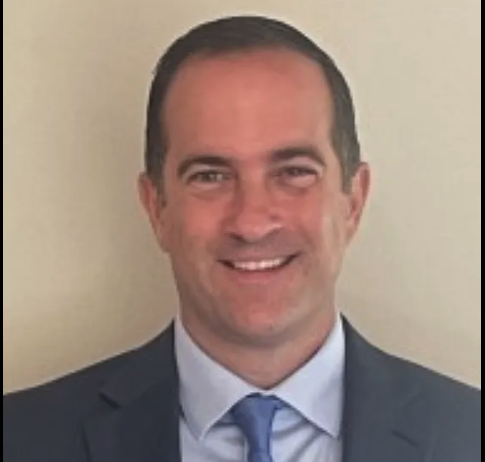
Hall made his comment Sept. 10 to the members of the Connecticut Municipal Finance Commission (MFAC), a governor-appointed group that’s been meeting with Derby since September 2020.
During his regularly scheduled appearance in front of the commission, Hall answered questions about the city’s 2023 – 2024 audit, which showed the city ending the fiscal year with a $4.4 million fund balance, a roughly $1.8 million increase from the previous fiscal year.
Hall pointed out there are new townhouses downtown, and the city closed on a deal earlier this year to buy property downtown that houses a scrapyard. The city is working to find another location for the scrapyard elsewhere in Derby. The scrapyard has been viewed as a hurdle to investment in the Derby redevelopment zone, which is the land on the south side of Main Street (state Route 34) that stretches from the Derby-Shelton bridge along the Housatonic River toward Route 8.
Derby is in front of MFAC because of budgeting mistakes made by the city.
The mistakes were revealed to the public under Mayor Rich Dziekan’s administration, who blamed prior Mayor Anita Dugatto’s administration, who took exception with Dziekan’s accusation.
More issues arose during Dziekan’s time in office, and the MFAC meetings went from voluntary to mandatory in August 2023.
Derby has twice issued recovery plans to straighten itself out:
- In 2019, under Dziekan, the tax board raised the mill rate by 2.5 mills, and the city restructured debt, temporarily lowered pension contributions, and sold assets, among other measures. The measures were needed to fill budget deficits caused by the previous administration’s mistakes, officials said.
- In 2024, under Mayor Joseph DiMartino’s administration, the tax board raised the mill rate by 4.6 mills, and the city temporarily lowered pension contributions and used federal stimulus funds, among other measures. The measures were needed to fill budget deficits caused by the previous administration’s poor budget forecasts, officials said.
During Wednesday’s meeting, MFAC officials said two common denominators among municipalities that end up at MFAC include: persistently late annual audits, and the same problems pointed out year-after-year in audits.
Derby has a history with both.
In 2021, the state sent Derby a strongly-worded letter saying the city had been late with audits every year for at least four years. Click here for a previous story.
The city’s 2023-2024 independent audit showed nine problems that had previously been identified as problems. Three have been corrected by the city since the publication of the audit, according to officials.
The school district still doesn’t use a double-entry accounting system, which leaves the records vulnerable to mistakes. The city switched to a double-entry accounting system when it changed its software vendor toward the end of Dziekan’s time in office.
Though it did not come up with MFAC, Derby also has a tumultuous history with the position of finance director. Despite it being a key position in city government, Derby cycled through six finance directors between 2009 and 2023. One sued the city, and the Dziekan administration tried to fire another shortly after hiring her.
At an early MFAC meeting with Derby, a panelist remarked that the position should not be tied to politics. It should be noted MFAC’s meetings with Derby are not adversarial, by and large. The panelists, all municipal finance experts, ask questions that are like the accountant’s equivalent of kicking the tires and checking the fluid levels on a car.