

ANSONIA – The city plans to use about $6 million from its reserves to fund budgets over the next few years, according to a report from a finance consultant.
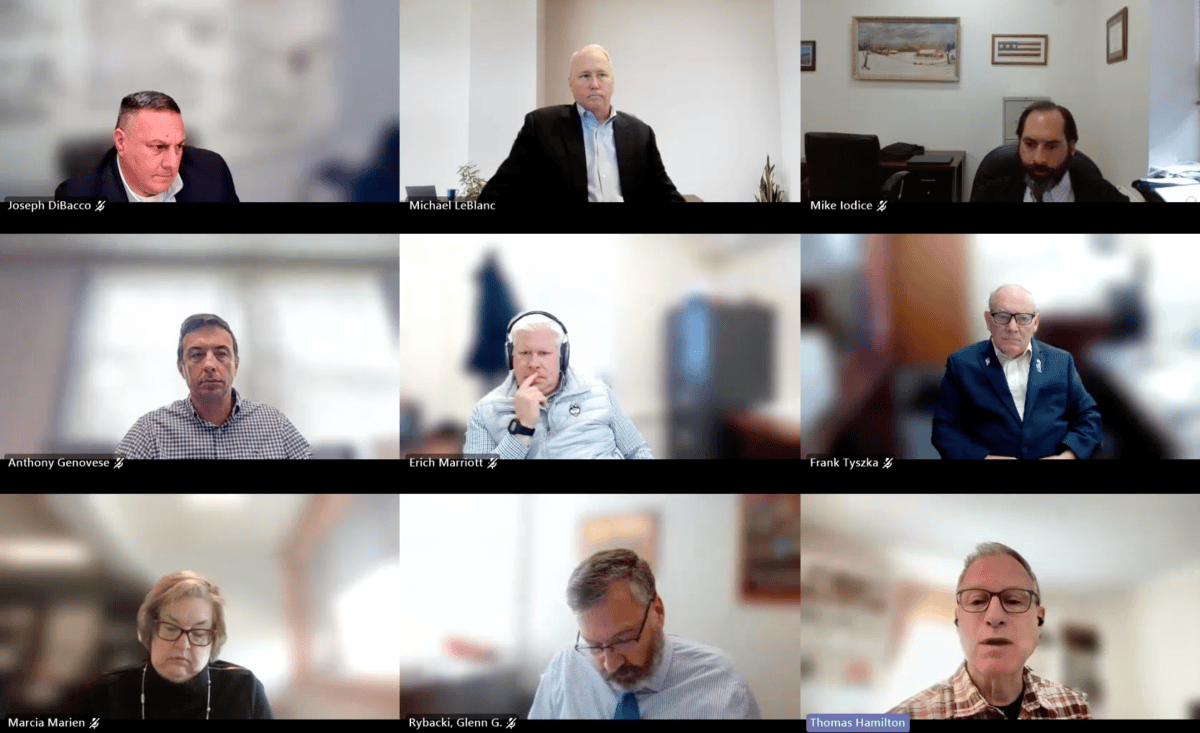
Thomas Hamilton, the consultant, gave that update during a Sept. 23 meeting with the state Municipal Finance Advisory Commission (MFAC), an advisory body that the city was ordered to start meeting with in a state law passed last year.
Hamilton said the city has been relying on its reserves to fund budgets for years, including money generated from the $41 million sale of its WPCA in 2024.
For example, the city used about $17.6 million from the sale to fund budgets from the last three years. S&P Global cited the practice in a Sept. 24 report which downgraded the city’s debt rating.
Hamilton said the city currently has about $12 million remaining in its reserves, and officials plan to use about half of that amount to prepare budgets between now and 2030.
“The history in the city was that they were relying very heavily on drawing down the fund balance, and there isn’t much fund balance left to draw down,” Hamilton said.
Hamilton said the plan is to gradually step down the amount of reserves used each year, while phasing in tax increases.
Michael Iodice, the city’s chief financial officer, said in the meeting that the goal is to stop using the city’s reserves by 2031.
“Going forward, we are not budgeting for revenues that don’t exist, and we are weaning off the use of fund balance. Our goal is a structurally balanced budget,” Iodice said.
The Referendum Question
Hamilton noted that the city’s long-term financial plans could be complicated by a number of factors. For one, voters could reject proposed tax increases in future budgets under the city’s current charter rules.
The charter currently requires a budget to go to referendum any time the “net taxes to be collected” increase by more than 3 percent. Four of the next five budgets included in Hamilton’s report would require a referendum under the rule.
If voters reject a budget at referendum, the city would need to either use more of its reserves or cut its expenses to ease the tax burden, Hamilton said.
However, he said expense-cutting alone likely wouldn’t solve the city’s budget problems. He estimated the city would need to find about $2.8 million in savings to avoid a referendum.
“I don’t see any particularly attractive or feasible way to get there, but that will be certainly up to the city to decide going forward,” Hamilton said.
Voters will also consider a proposed charter revision this November which would change how referendums are triggered. Under the proposed rule, a budget proposal would trigger a referendum whenever city expenditures increase by more than 4 percent.
None of the budgets included in Hamilton’s report would trigger a referendum under the proposed change, according to the expenditure numbers included in the report.
Click here for a Valley Indy podcast interview about the charter revision.
The Numbers
In a report submitted to the commission, Hamilton said the city plans to use the following amounts from its reserves:
- $1,482,216 for fiscal year 2027 (the current budget, which ends June 30, 2027)
- $3,210,000 for fiscal year 2028
- $1,249,229 for fiscal year 2029
- $58,555 for fiscal year 2030
Hamilton’s report also included proposed tax increases over the next several years. He noted that Ansonia is up for revaluation, which could change the mill rate starting next year.
However, his report placed the proposed tax percentage increases at:
- 8.04 percent in fiscal year 2028 (next year’s budget, which starts July 1, 2027)
- 8.51 percent in fiscal year 2029
- 5.94 percent in fiscal year 2030
- 4.29 percent in fiscal year 2031
- 2.14 percent in fiscal year 2032