

ANSONIA – A financial consultant for the city said Ansonia’s charter makes it difficult to establish tax increases which he argued are necessary for the city’s financial health.
Thomas Hamilton, the consultant hired by Mayor Frank Tyszka’s administration in February, said the city needs to increase taxes by 8.1 percent and then 8.5 percent over the next two years in order to stop relying on its reserve funds.
“Given the city’s history with budget referendums, achieving those sorts of increases is going to be a challenge for the city,” Hamilton said.
Hamilton suggested a charter change which would change the formula that triggers a referendum. The change would not abolish referendums entirely. Scroll down for more details on the proposal.
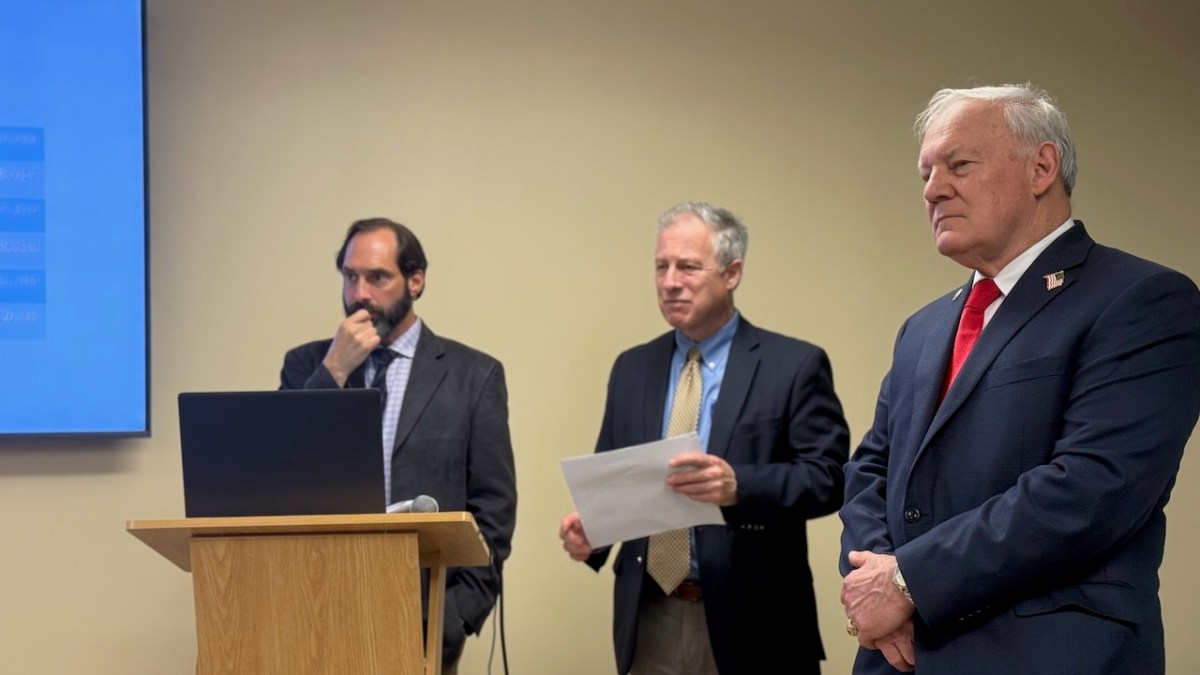
Hamilton’s remarks came as city officials gave an update June 24 to members of the Municipal Finance Advisory Commission (MFAC). It’s a state board of financial advisors which Ansonia has been appearing before since September 2025, after a law supported by state Rep. Kara Rochelle mandated those appearances.
In the meeting – the first since Tyszka passed his first, $68.9 million budget in June – Hamilton said tax increases are needed because the city has been drawing from its reserve funds to keep its budgets balanced for years.
The reserves were used partially to fill a shortfall from a fuel cell project approved in 2024 which failed to generate a projected $1.5 million in revenue, while also costing the city an additional $695,551 in unbudgeted expenses. That deal was approved under former Mayor David Cassetti’s administration.
State legislators approved a law in May which could make it easier for that project to move forward and start making money for the city.
Michael Iodice, the city’s new chief fiscal officer, said the city is projected to have about $10.7 million in its fund balance by this time next year. Hamilton outlined a five-year plan which would reduce those reserves to $6 million by 2032 while phasing in tax increases.
However, Hamilton said his plan is only possible if voters agree to those tax increases. If voters don’t approve, the city would either need to draw more aggressively from its reserve funds or reduce its expenditures by up to $1.9 million, he said.
Hamilton suggested a change to the city’s charter which could make referendums less likely in the future, giving the final say over the budget to elected and appointed officials.
“I know that the mayor was talking about the possibility of a charter change, and that may be something worth pursuing,” Hamilton said.
Hamilton: Referendums Based On City Spending, Not On Taxes
The city’s charter currently requires the budget to go to voters if it would increase the “net taxes to be collected” by more than 3 percent. That’s the total number of tax dollars the city expects to collect in a given year.
Hamilton said the city could revise its charter to only require a referendum if it would increase expenditures – the money the city expects to spend – by more than 3 percent instead.
That matters particularly in Ansonia because of how budget priorities have shifted since Tyszka took office.
Under Cassetti’s administration, more of the budget funding came from the city’s reserves in recent years. For example, the budget adopted last year forecasted using about $5.25 million from the fund balance.
Cassetti administration officials said the practice allowed the city to keep a low and stable mill rate while planning for future economic development. Tyszka administration officials say the practice was unsustainable and put the city in a financial crisis.
Tyszka’s plans include phasing out the use of fund balance, partially by increasing taxes to fill the gap. The budget adopted this year forecasts using about $1.6 million from the fund balance.
That budget had to go to referendum because it originally contained an 8.2 percent increase in “net taxes to be collected.” That version of the budget was rejected by a vote of about 499 to 483.
However, the increase in expenditures was much smaller, at around 1.5 percent.
If the charter were revised in the manner suggested by Hamilton, that budget could have passed in its earlier form without going to referendum.
A charter revision commission appointed by Tyszka has been meeting since May. Any proposed charter changes would themselves need to be approved by voters.
The commission has not yet put forward any changes for voters to decide on. They have until September to do so.